Tools & Equipment
Guidance about delivery-work tools, device duties, equipment requirements, and verifying whether employers or applicants supply each item.
Topics
Browse topicsTools & Equipment
How to ask which delivery records may be kept after a shift
Drivers may need pay and schedule records for themselves while route information belongs in controlled work systems. This guide gives a practical way to ask what can be retained, where, and for how long.
How to preserve delivery incident notes without copying customer data
A driver needs an accurate account of a delivery incident, but a private collection of labels, addresses, and screenshots creates a second privacy problem. This guide covers a useful incident record and controlled evidence handling.
How to request correction of an inaccurate delivery route record
A route screen can disagree with what happened to a parcel. This guide shows how to identify the specific wrong field, preserve the original event, request an authorized correction, and verify the resulting record.
How to report a lost delivery device containing route information
A missing scanner or phone can hold an active route and unsent events. This guide shows what a driver reports first, how security and route continuity are handled separately, and what facts must be reconciled before another device writes.
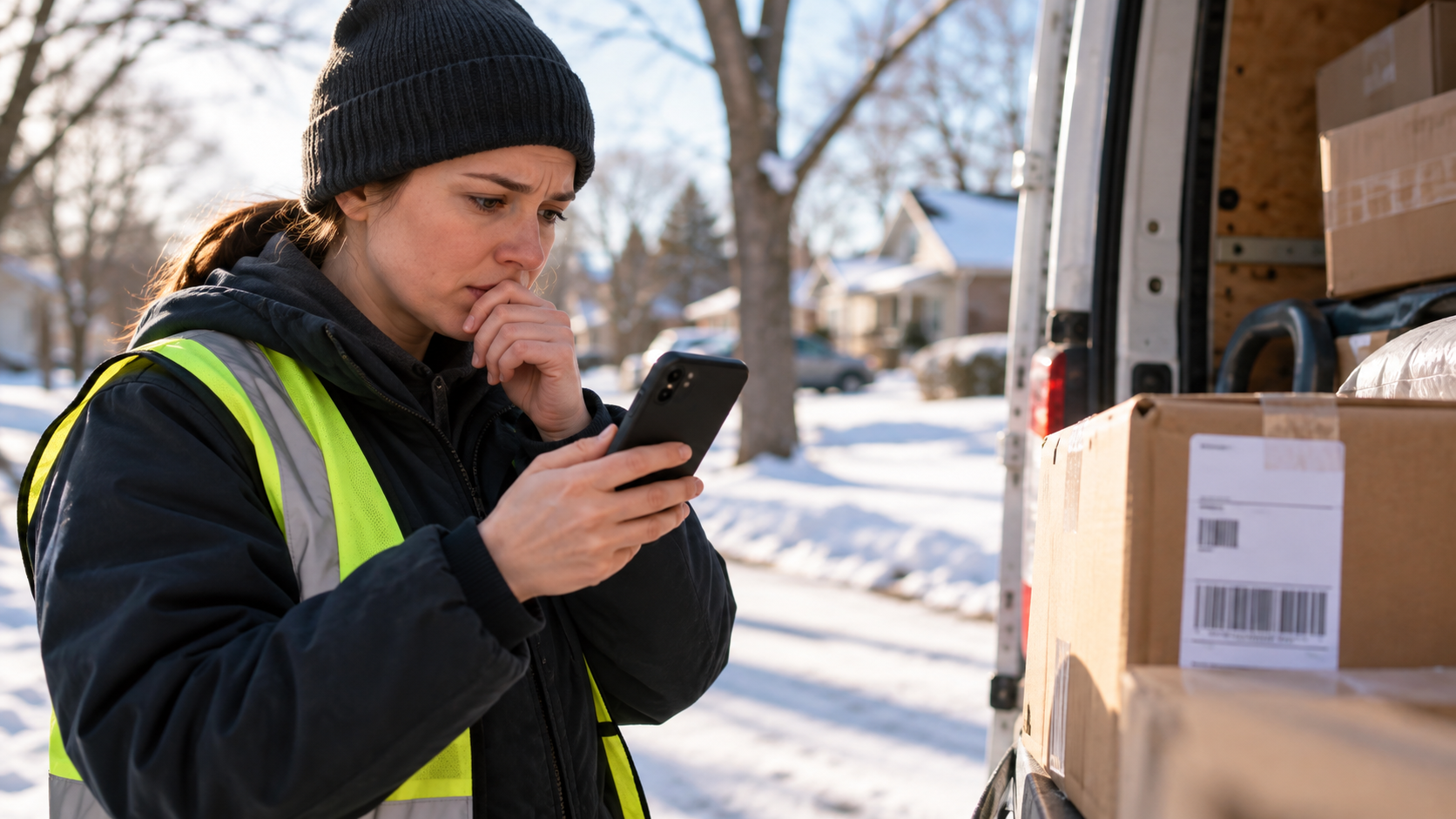
How to handle a package label visible in a social media photo
A casual route photo can expose a readable customer label after it is posted. This guide explains the driver's immediate response, the difference between removing a post and resolving exposure, and how to keep the delivery record accurate.
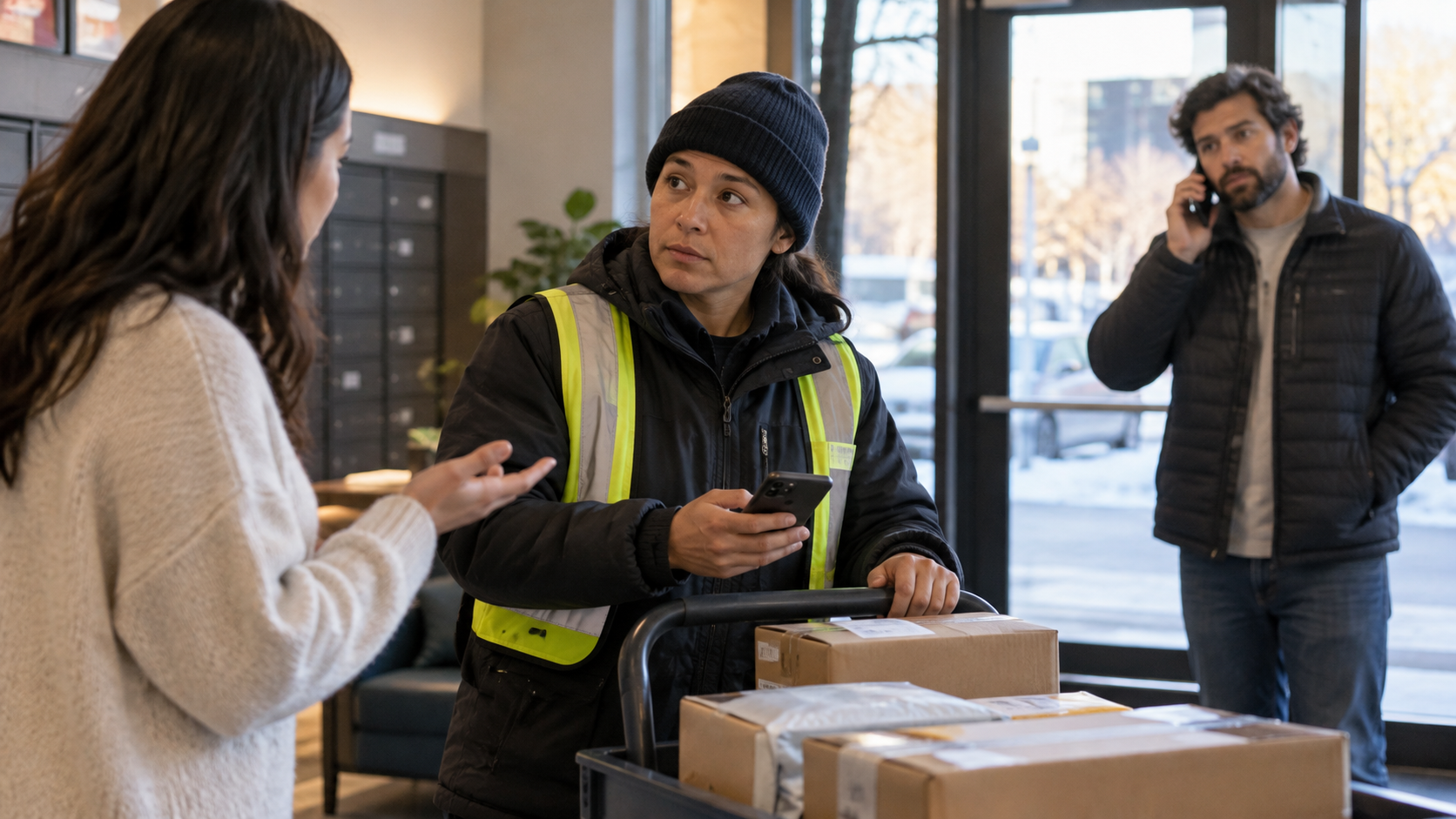
How to verify a delivery recipient before sharing delivery details
A person at a door, on a phone, or near a loading area may know part of a delivery story without being authorized to receive details. This guide shows how a driver checks the request against the assigned record and handles uncertainty.
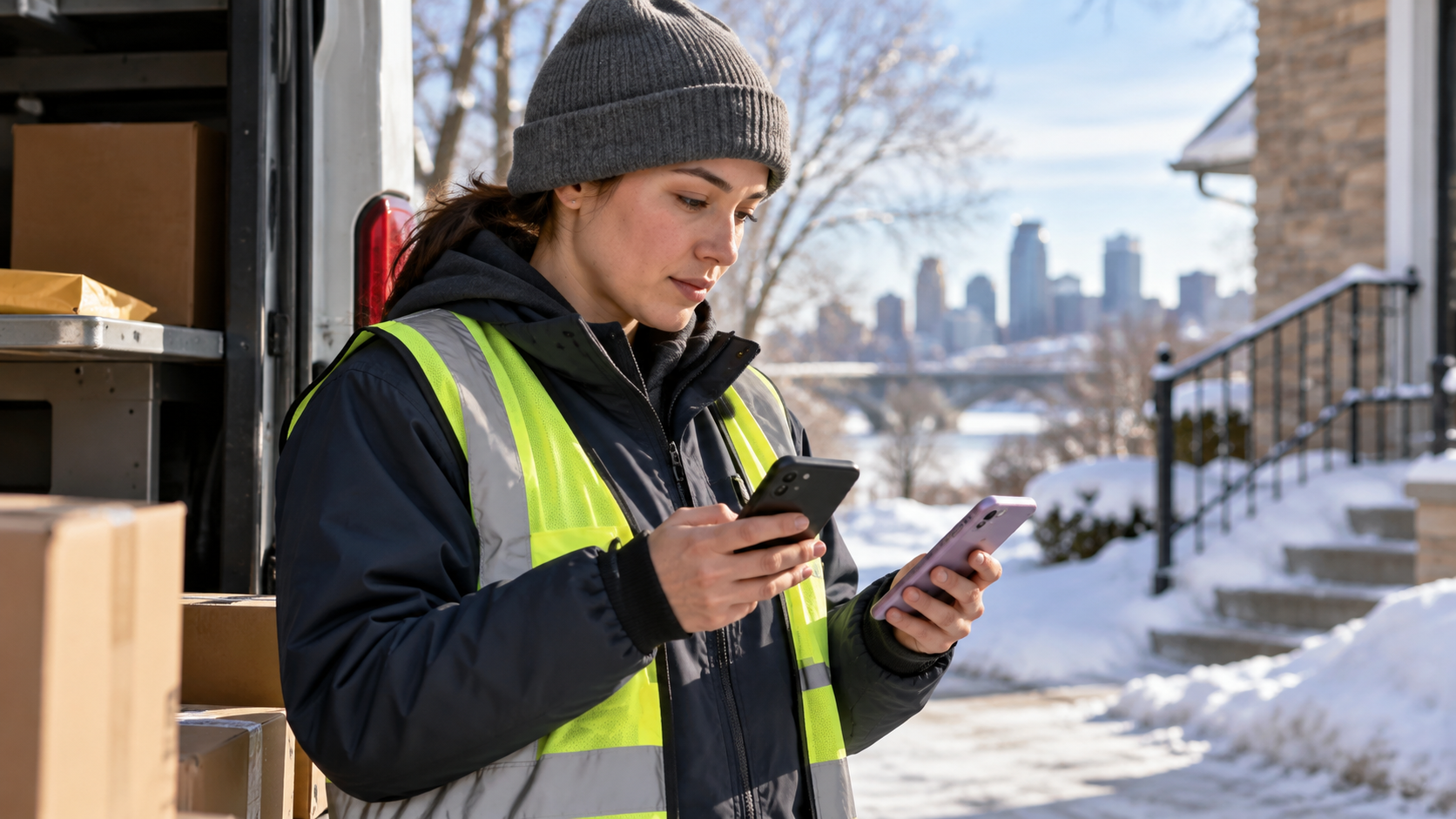
How to keep delivery work messages separate from personal social accounts
Route questions can arrive quickly, and a personal social account may seem like the fastest way to reach someone. This guide shows how a driver keeps customer and route messages in the employer's authorized workflow and handles a mistaken send.
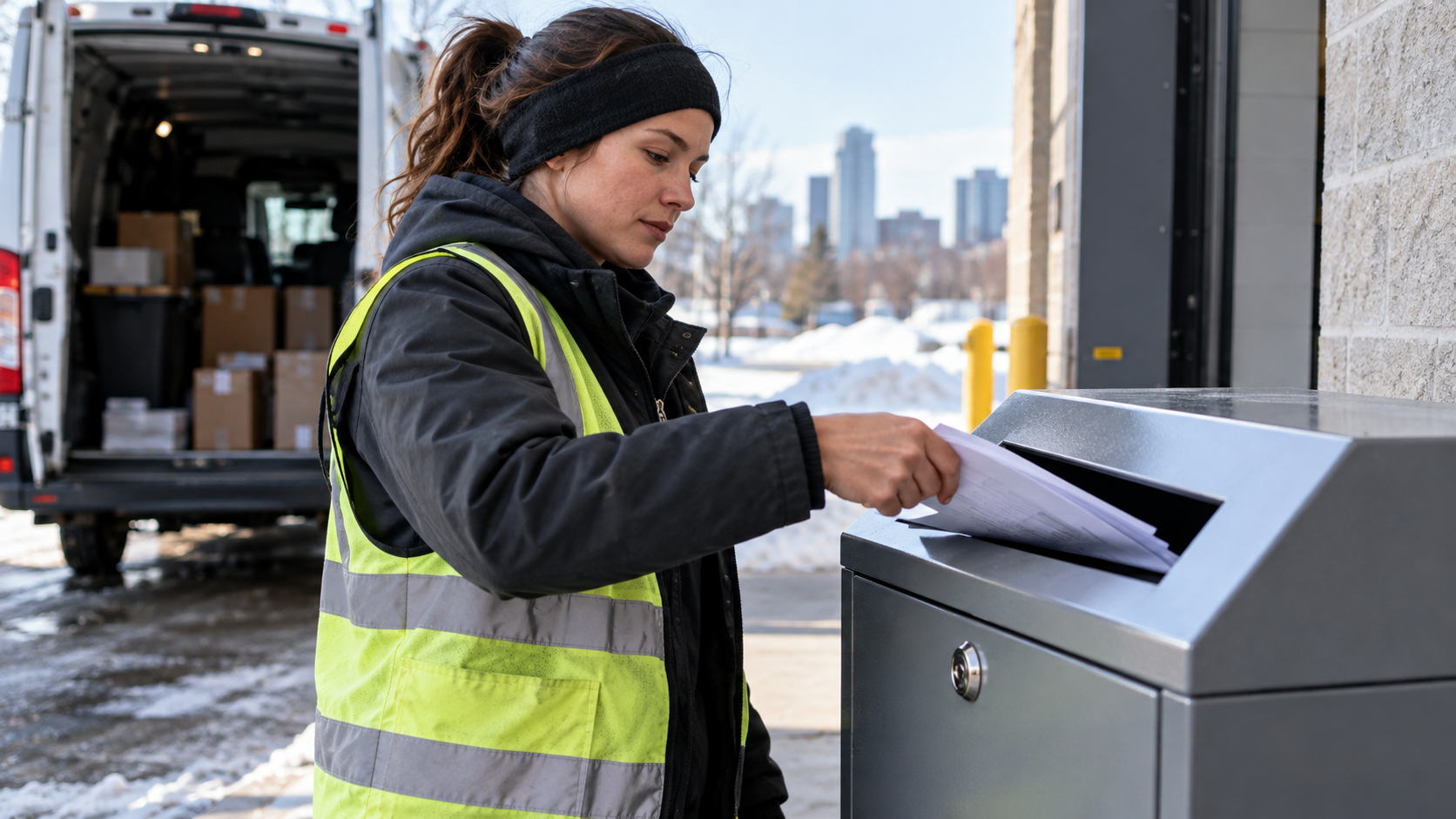
How to dispose of a printed delivery route sheet securely
Printed route sheets can remain useful during an outage or reassignment, but they may carry customer and route details after the shift. This guide covers custody, handoff, and employer-approved disposal of the paper itself.
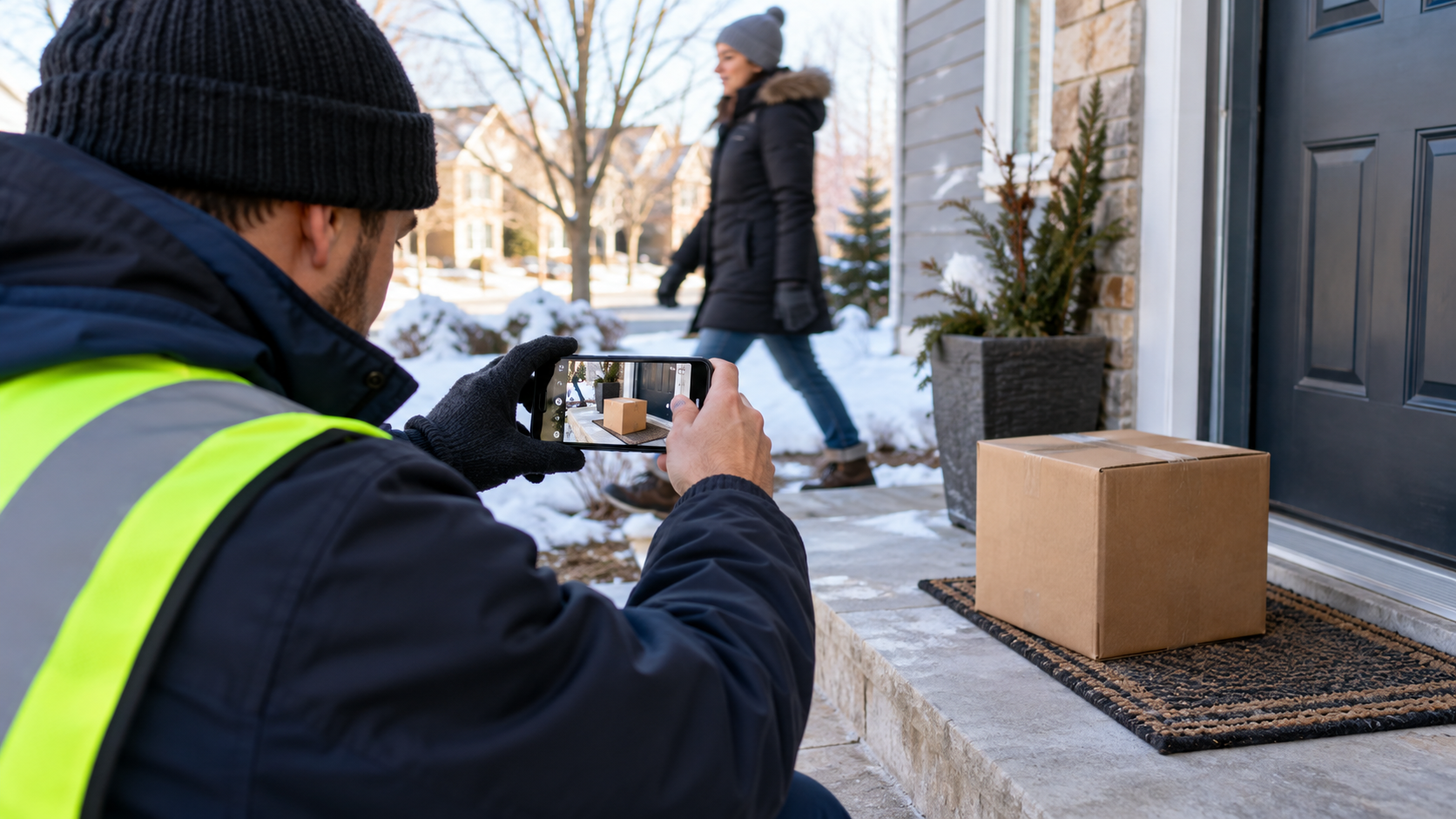
How to handle a delivery photo containing a bystander
A proof-of-delivery image can capture a passerby who has nothing to do with the stop. This guide separates the decision before capture from the response after an image has already been submitted.
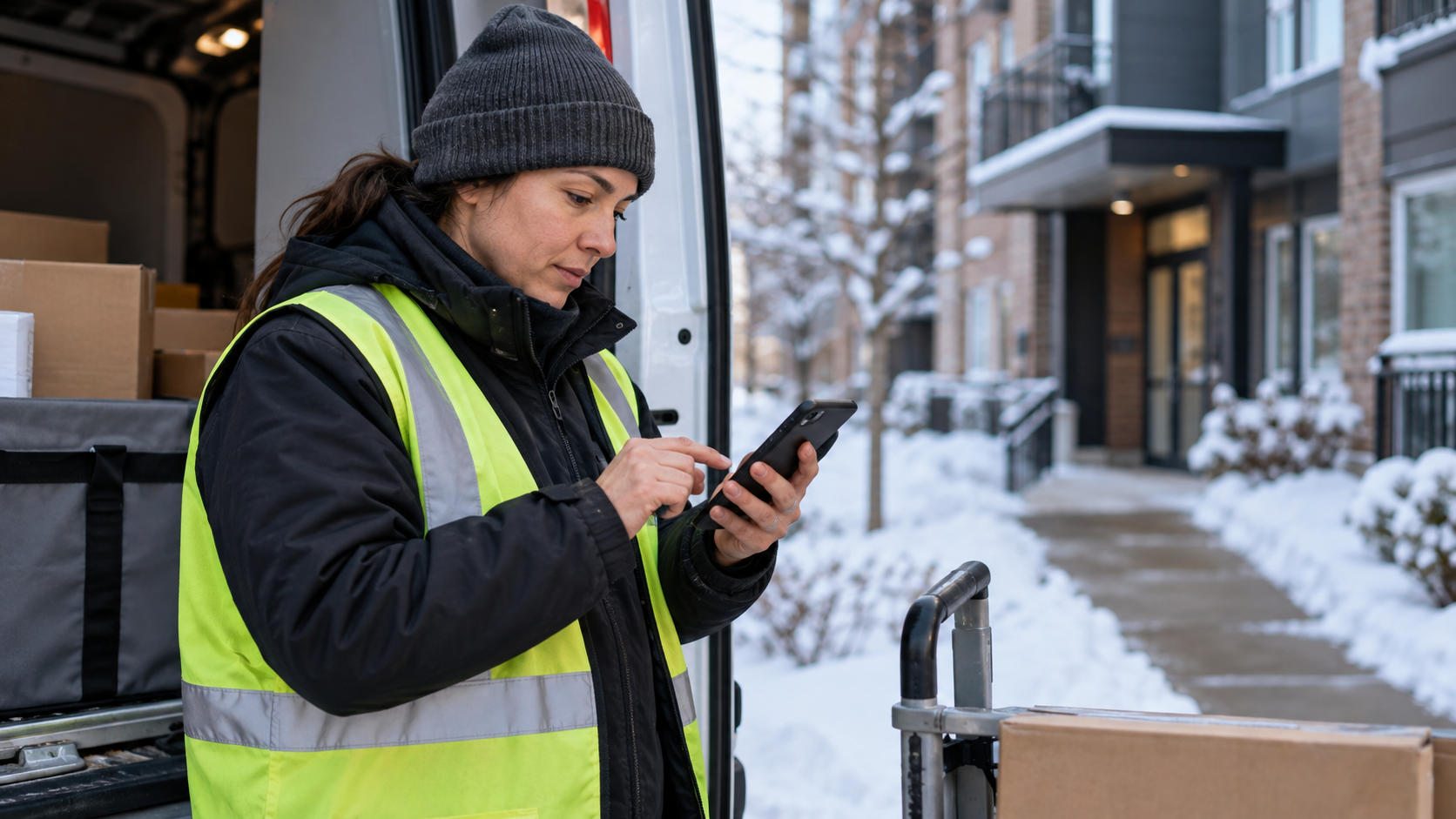
How to avoid putting customer addresses in personal notes
A driver may need a reminder about an address or access instruction while a route is moving. This guide shows how to keep that work in approved systems, handle exceptions, and respond when an address has already reached a personal note.
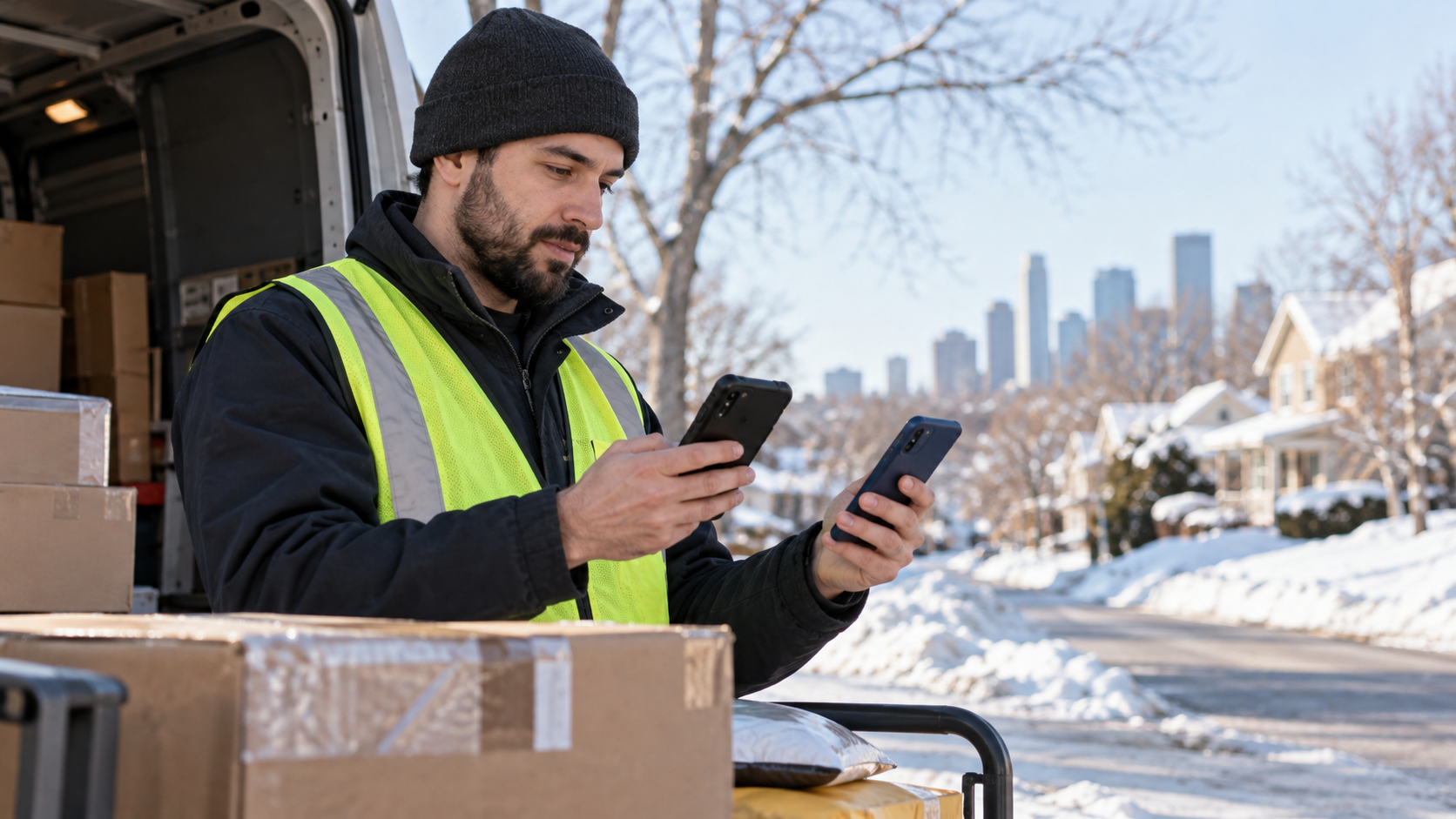
How to transfer an active delivery route to a replacement device
A controlled device swap during a live route that preserves accepted delivery history, names uncertain events, establishes one authoritative device, and matches the new route view to physical parcel custody.
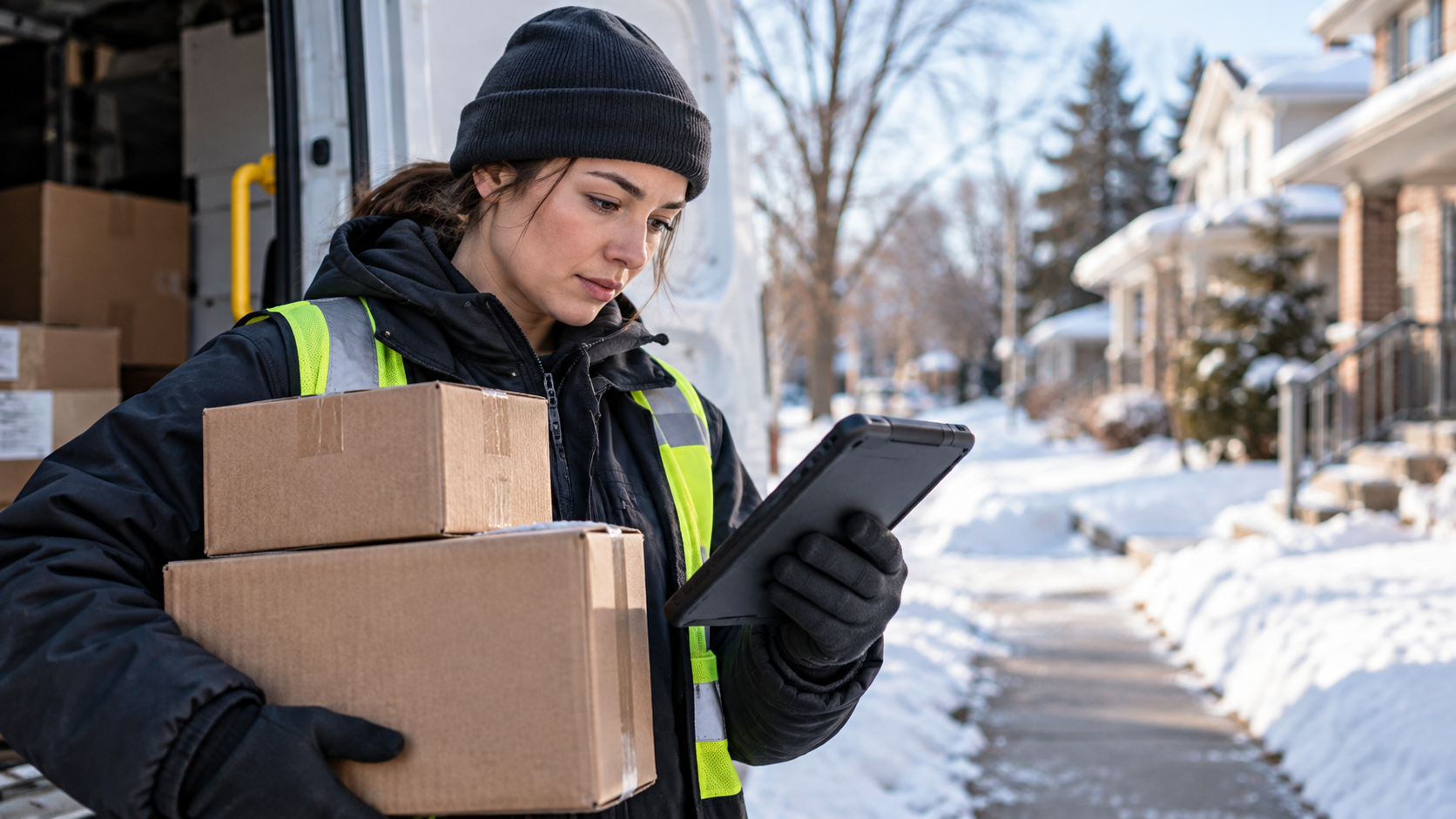
How to handle duplicate stops in a delivery route app
A route-level method for deciding whether two similar cards represent one duplicated task or separate deliveries or pickups, and for preserving the correct parcel record while support resolves a true duplicate.
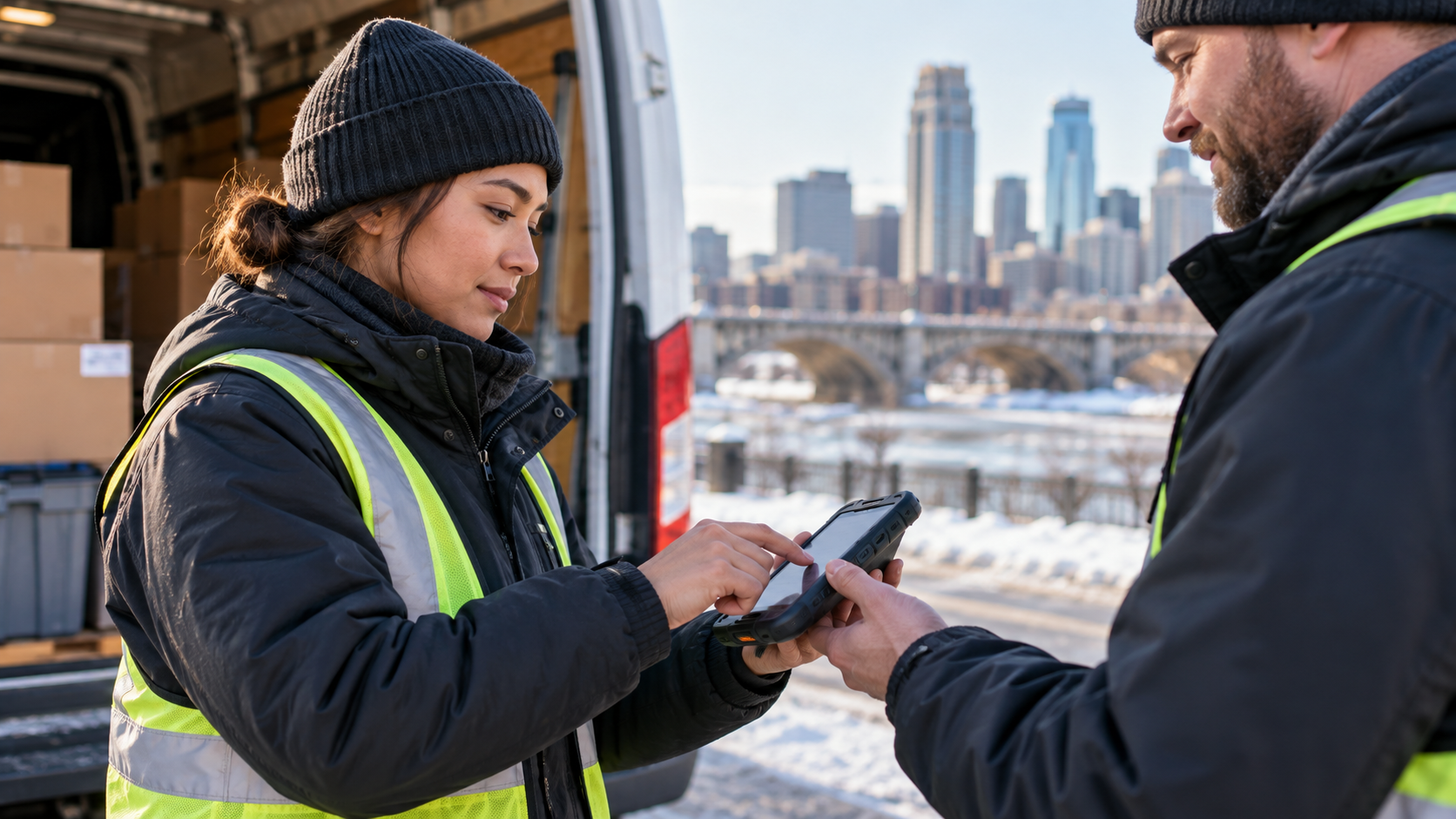
Protect work credentials on a shared delivery device
A shift-level method for using a shared scanner or phone without exposing passwords, one-time codes, customer routes, or the prior driver's account to the next user.
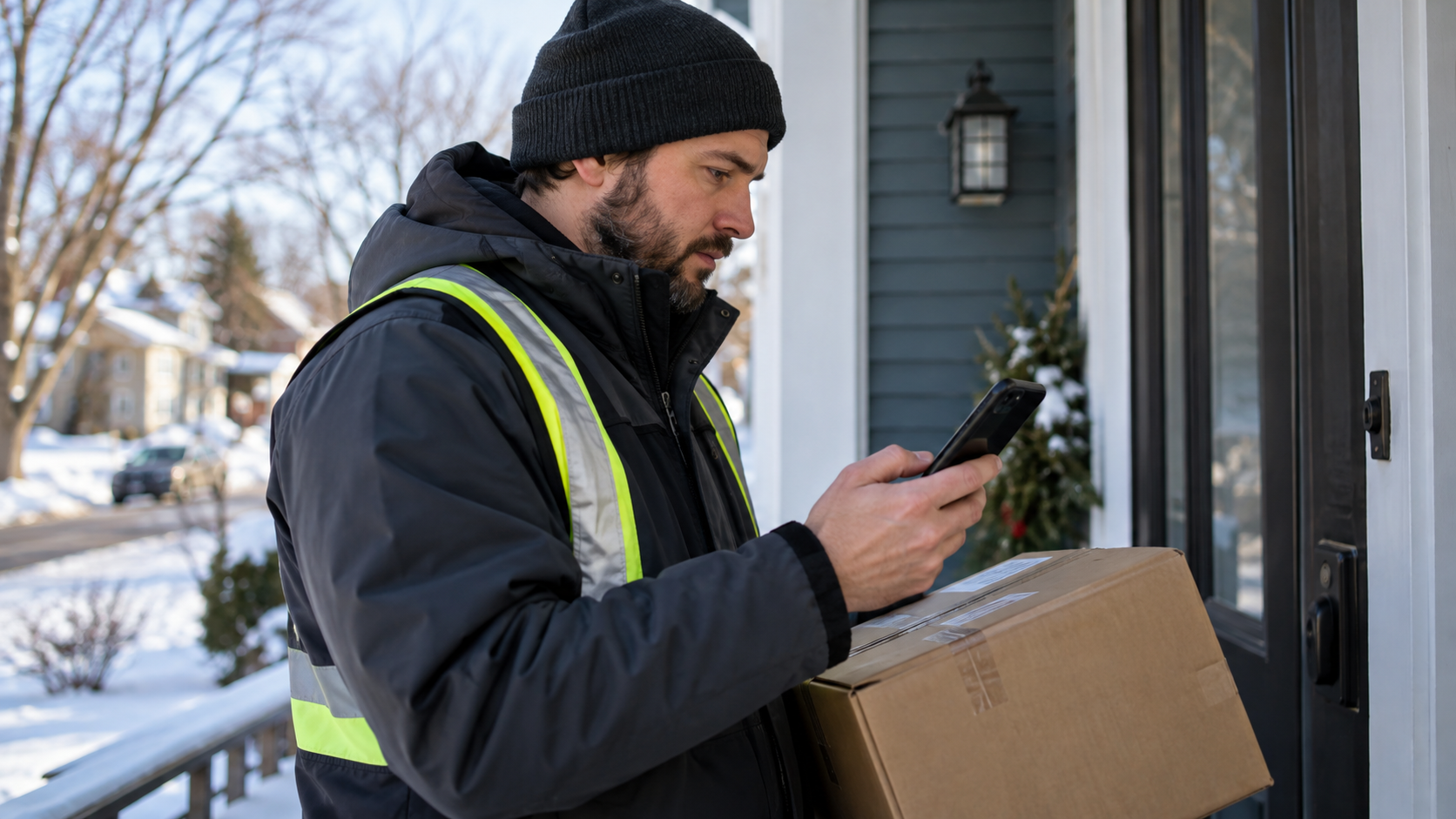
What to do when a device clock disagrees with route timeline records
A driver-facing method for documenting a mismatch among device time, app event time, and actual handoff time without silently changing timestamps or creating new delivery events.
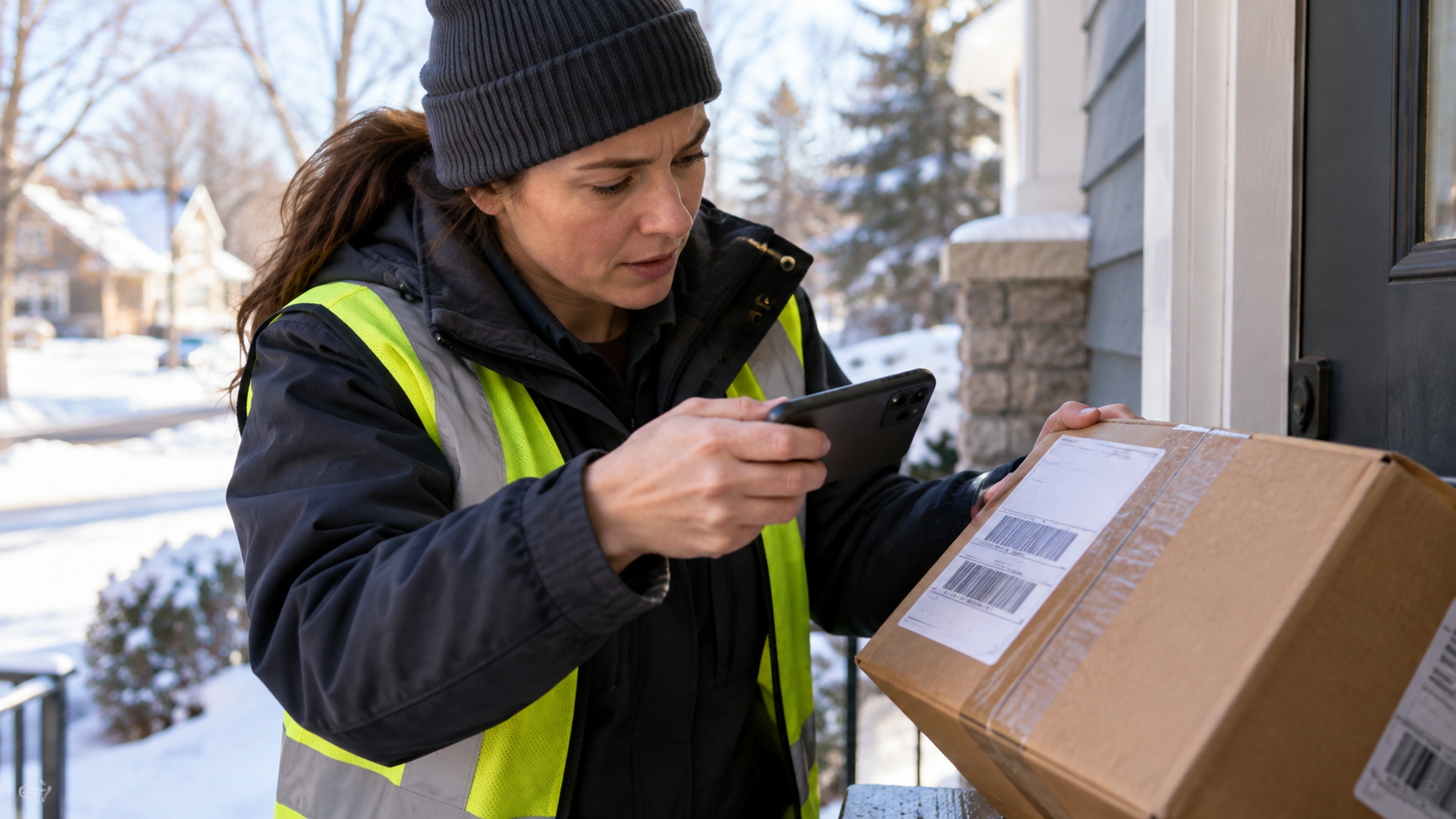
How to verify a barcode when the camera will not focus
A delivery-stop method for a barcode camera that will not focus, separating camera troubleshooting from parcel-identity verification and avoiding a guessed or duplicate scan.
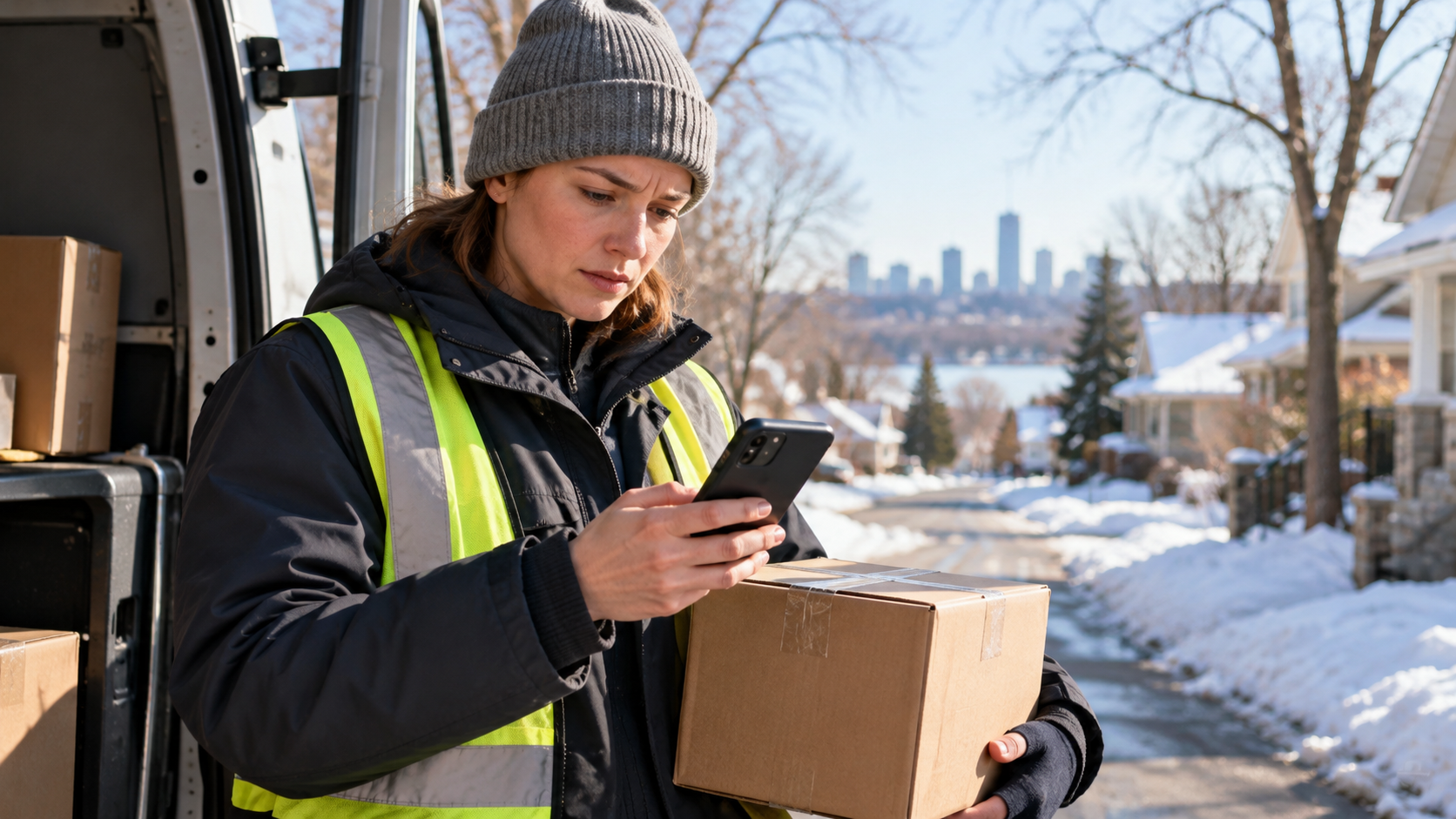
Handle a delivery app crash without losing history
A route-owner method for an app crash during delivery: preserve the physical parcel and last visible event, report the crash identity, reopen only under approved steps, and verify destination history before continuing.
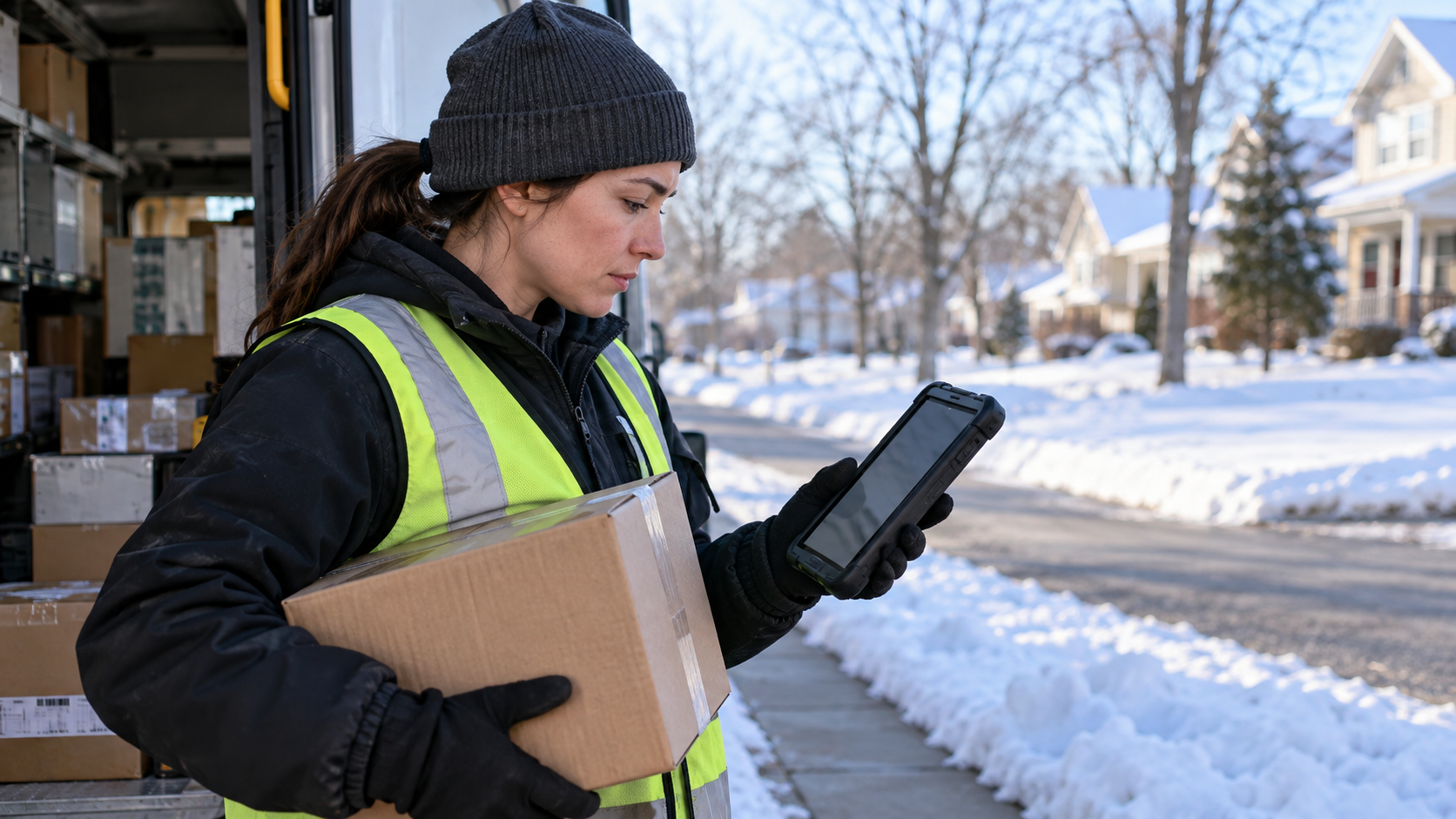
How to distinguish a cached stop from a newly assigned stop
A route-record method for checking whether a stop card reflects old local data or an actual new assignment, without inventing delivery-app behavior or acting on an uncertain card.
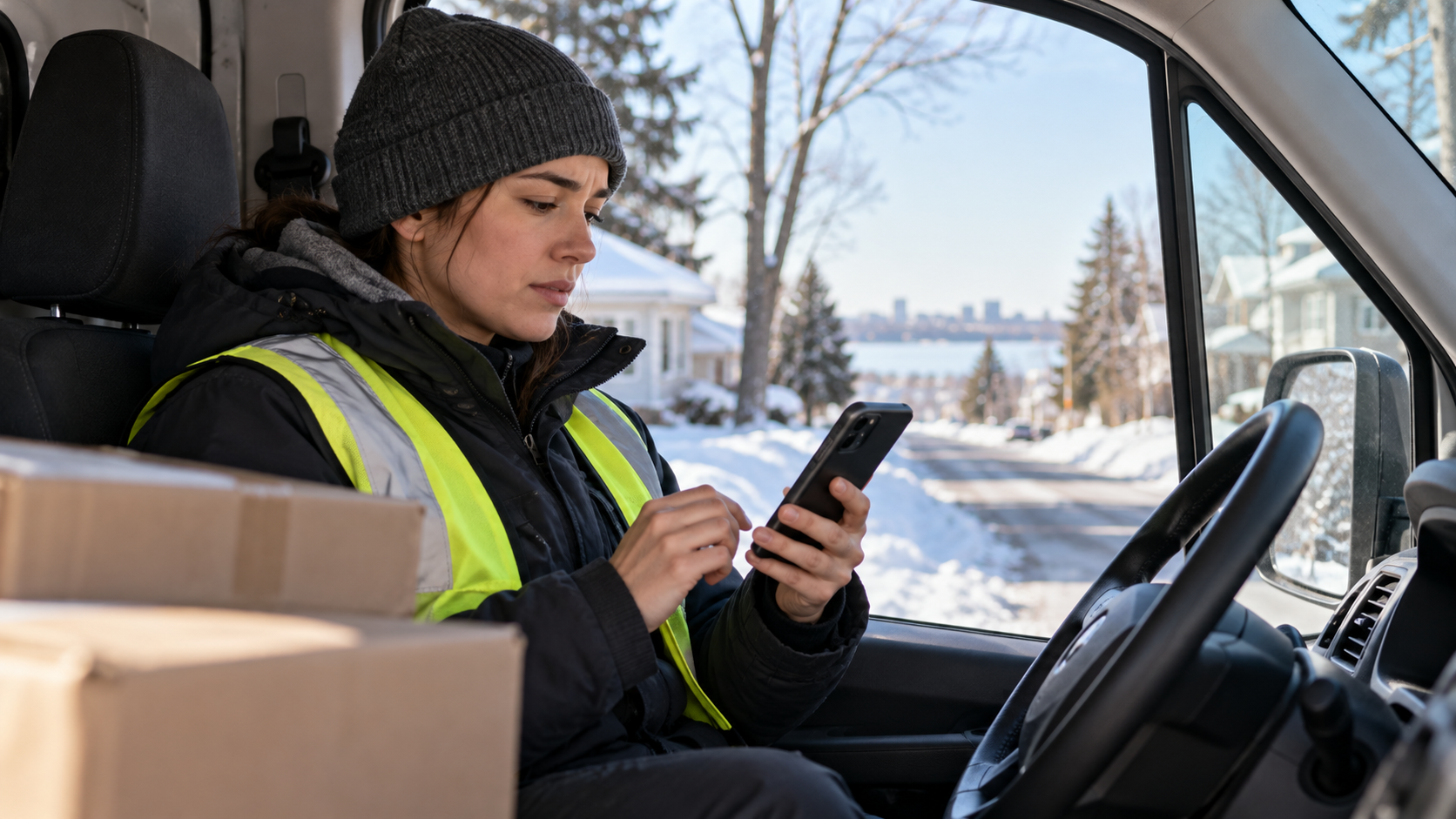
Handle temporary cellular service loss on a delivery route
A stop-level response when mobile service drops: separate signal from app failure, preserve physical handoffs and uncertain events, use only approved connectivity, and verify the route after service returns.
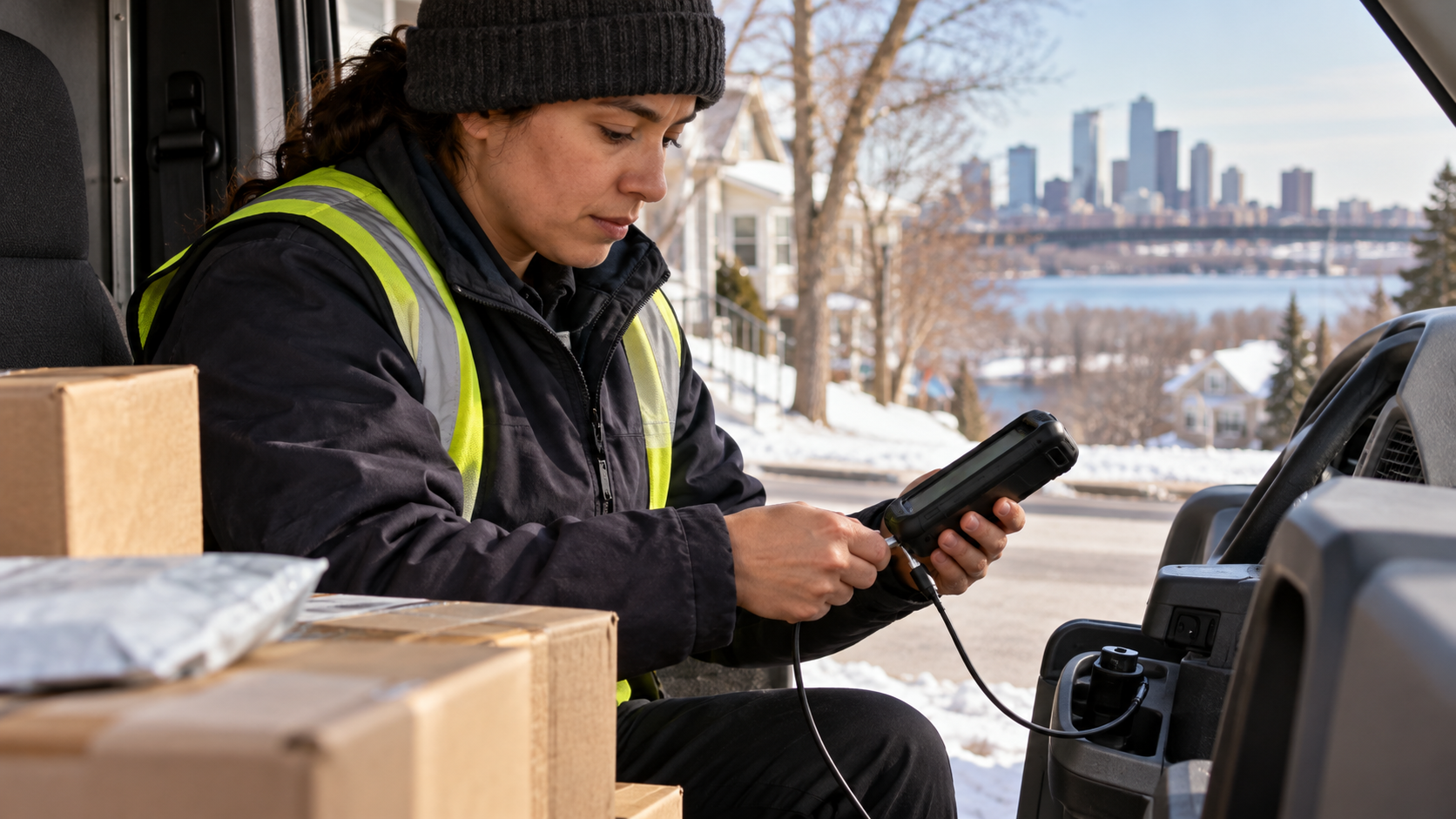
Scanner battery low mid-route: preserve the delivery record
A driver-facing sequence for handling a low scanner battery during an active route while preserving the last confirmed scan, physical parcel state, and authorized recovery path.
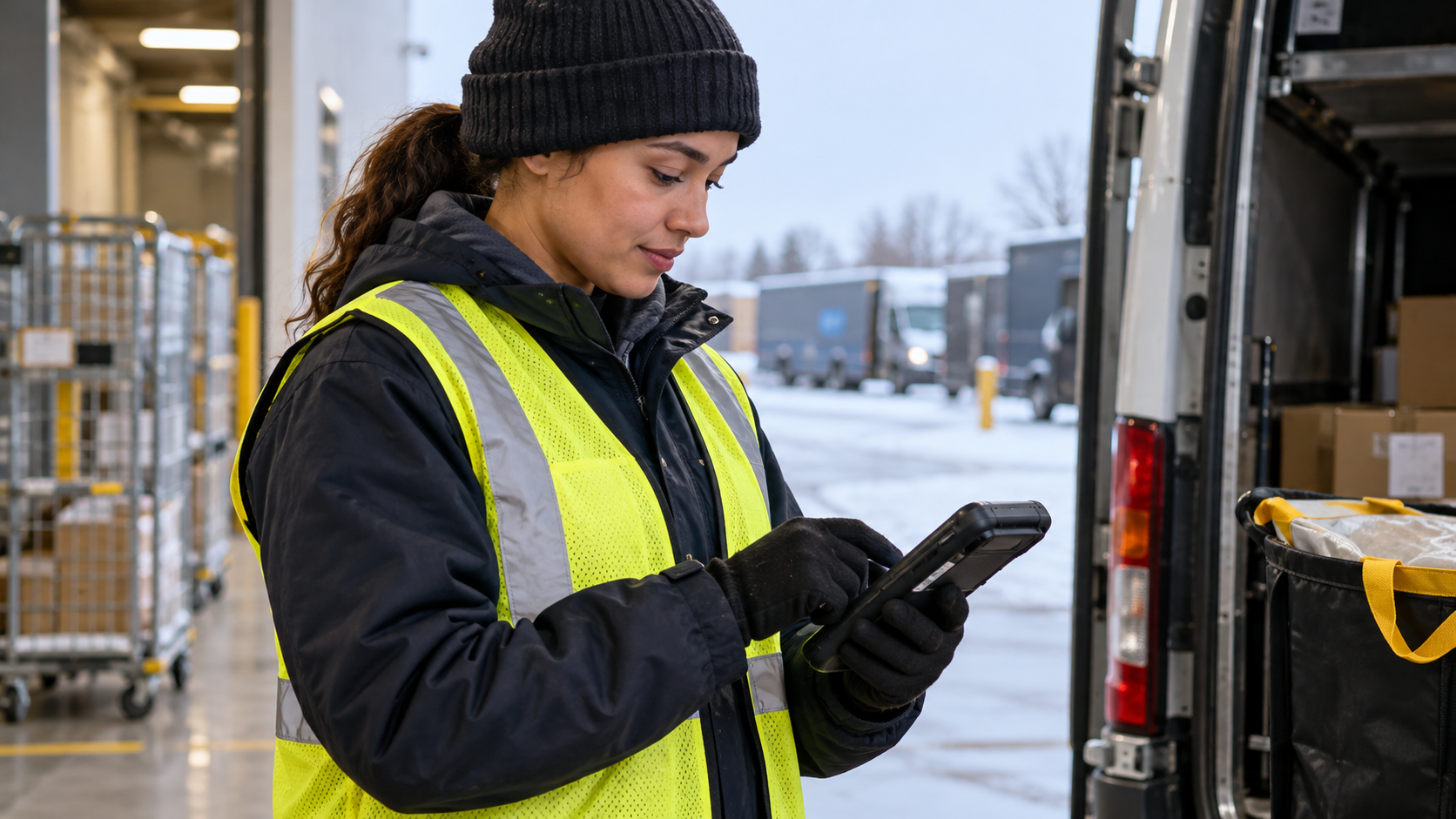
Prepare an approved delivery device before leaving the station
A station-based preparation sequence for the device authorized for the route, so the driver can identify a problem before departure without inventing app functions or entering false delivery events.
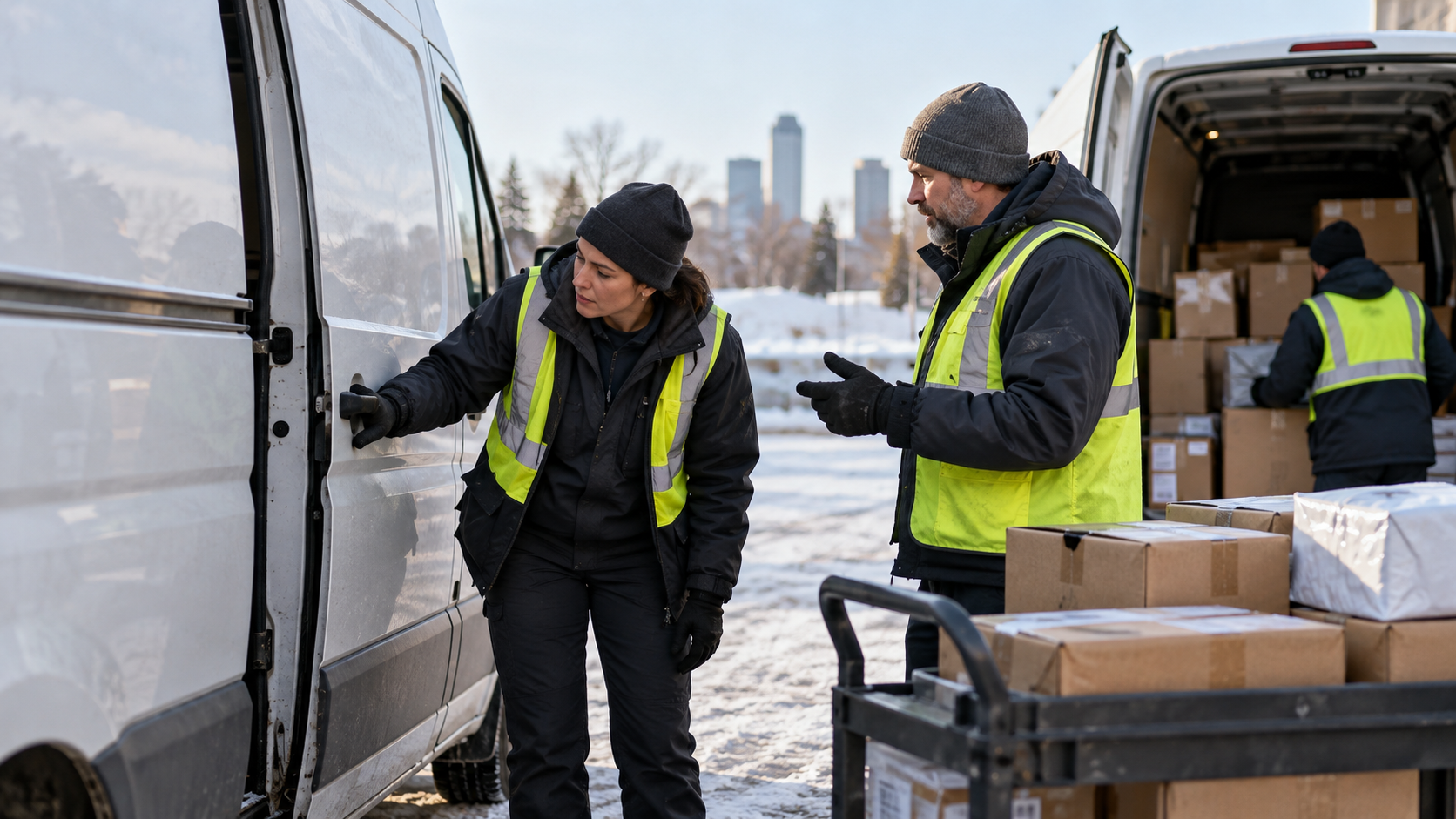
Minnesota delivery driver replacement vehicle request after an unresolved safety issue
How a driver turns a reported but unresolved vehicle condition into a specific replacement request, keeps the original van out of the route plan, and resumes only with a cleared vehicle and reconciled cargo.
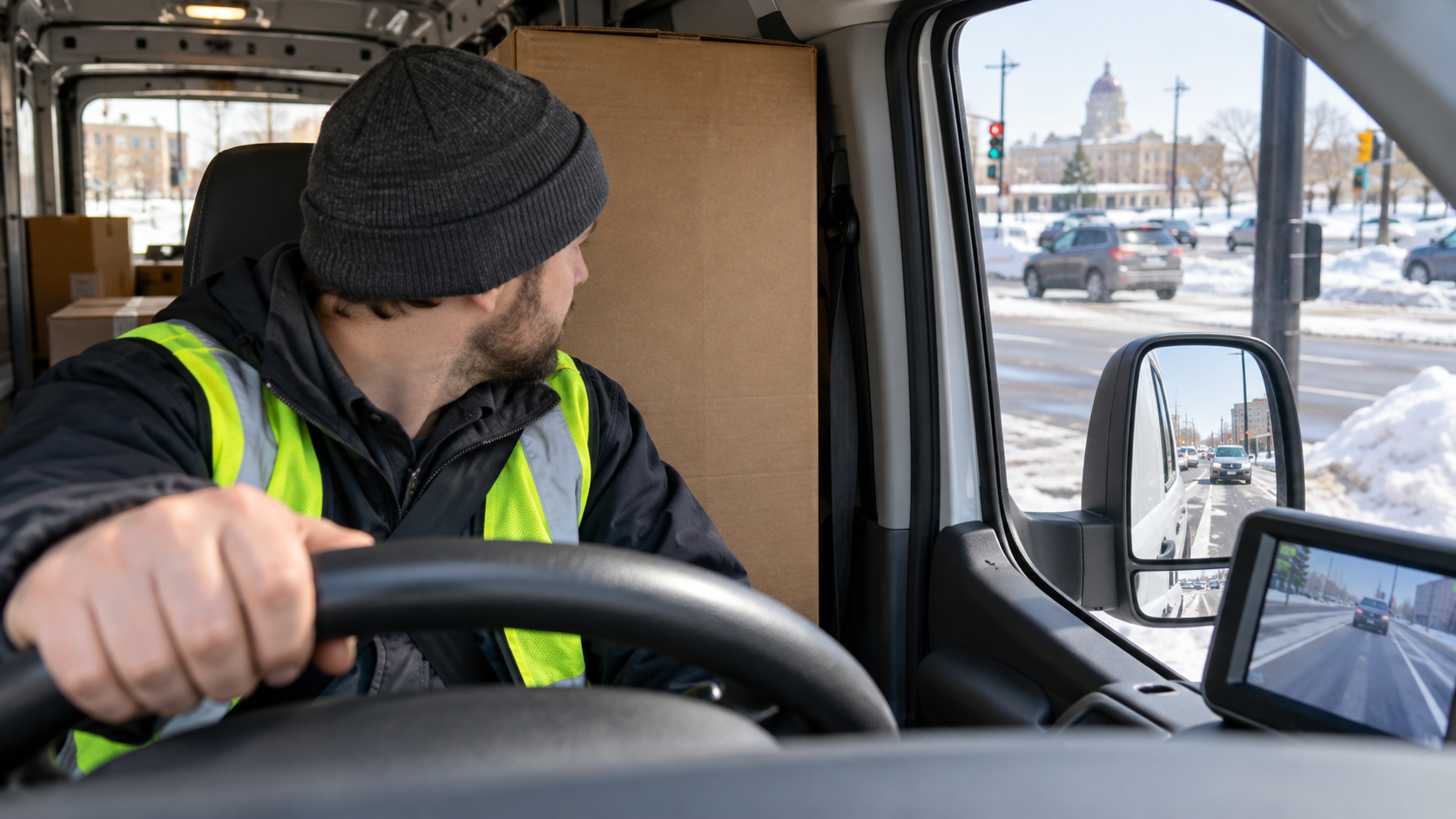
Minnesota delivery driver cargo visibility check before moving a loaded van
A practical assessment of a loaded van's sightlines, mirrors, camera displays, control access, and cargo movement, with a worked restow decision rather than a general load-capacity guide.
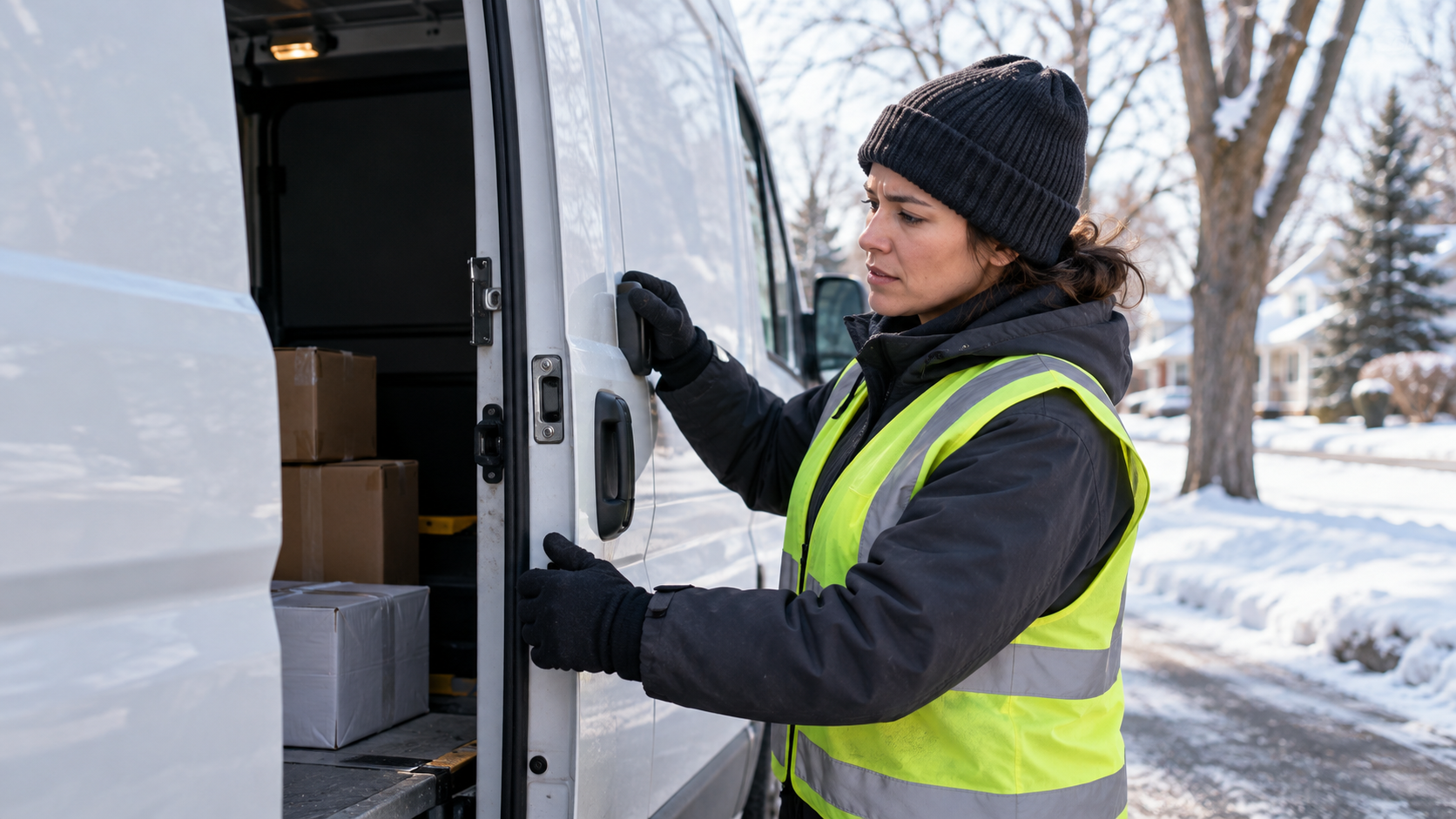
Minnesota delivery driver door latch defect report: what to document and who decides the next move
A driver-facing process for identifying and reporting a door that will not reliably latch, without improvising a repair or treating a closed-looking door as proof of secure travel.
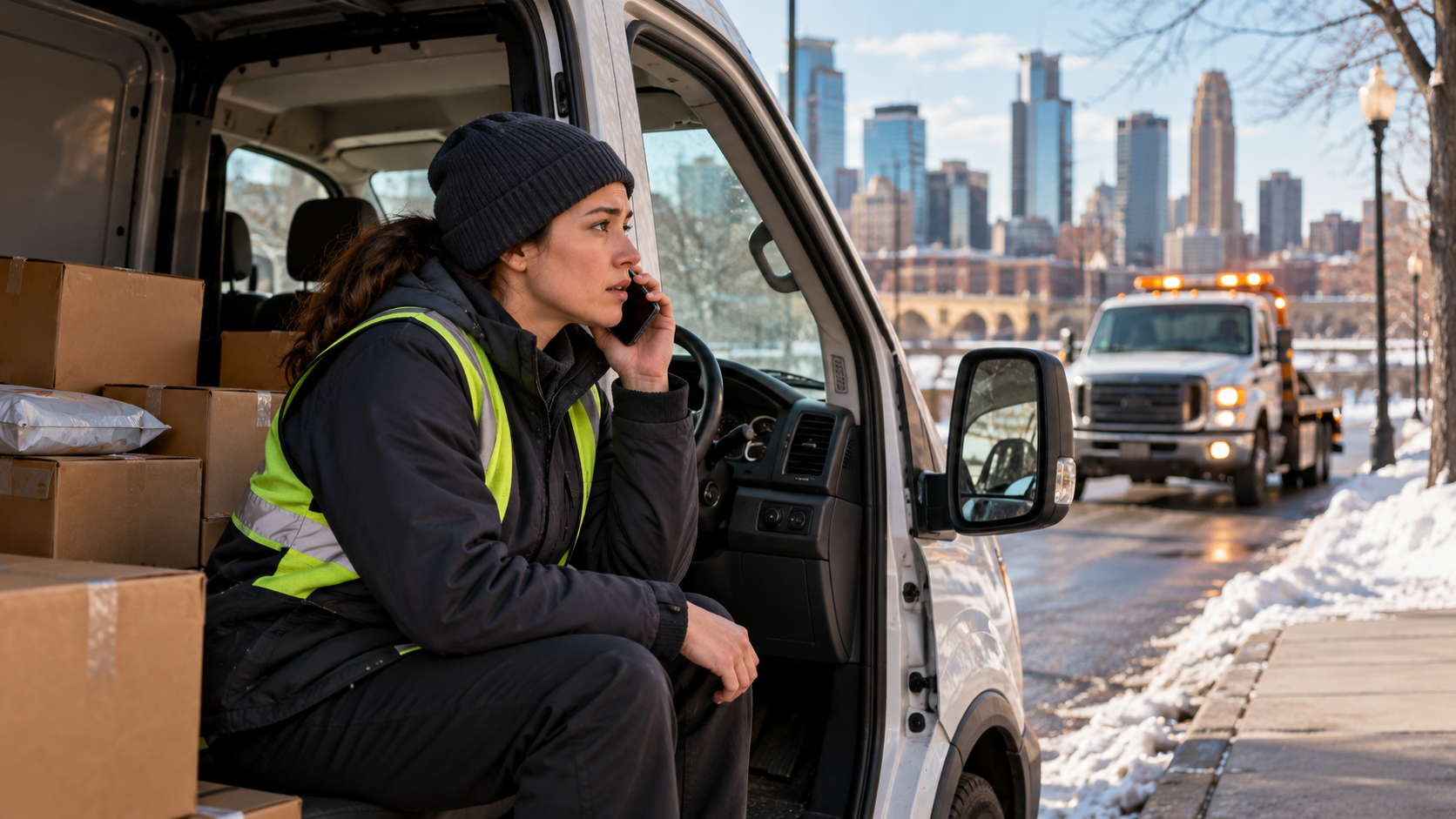
Minnesota delivery driver no-start route response at a delivery stop
A driver-facing process for a delivery van that will not restart after a stop, keeping roadside safety, vehicle diagnosis, dispatch coverage, and parcel custody distinct.
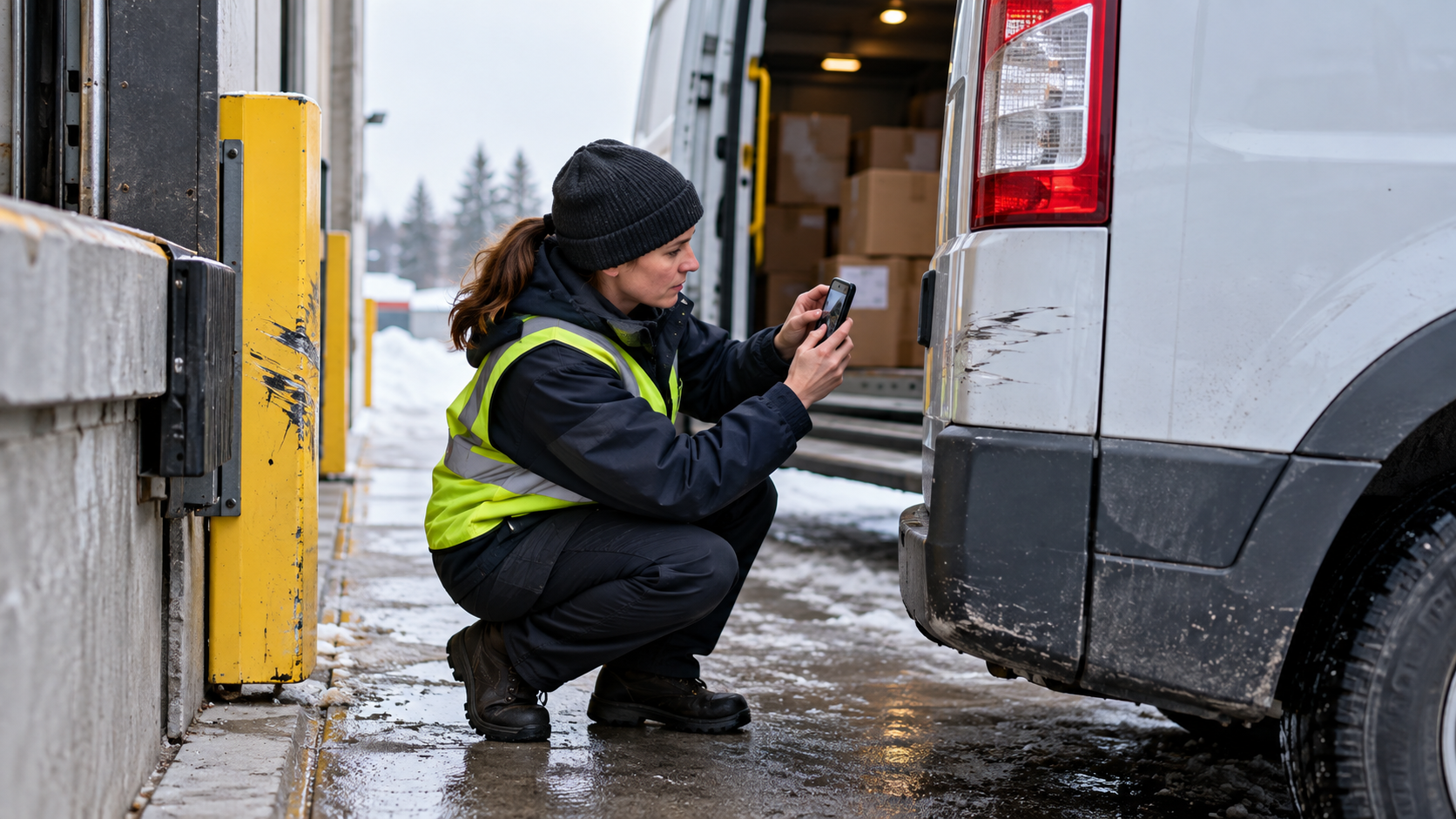
Minnesota delivery driver minor scrape report at the scene
A driver-facing method for recording a low-speed loading-site scrape immediately, with observed contact points, scene context, property contact, fleet disposition, and accurate parcel custody.
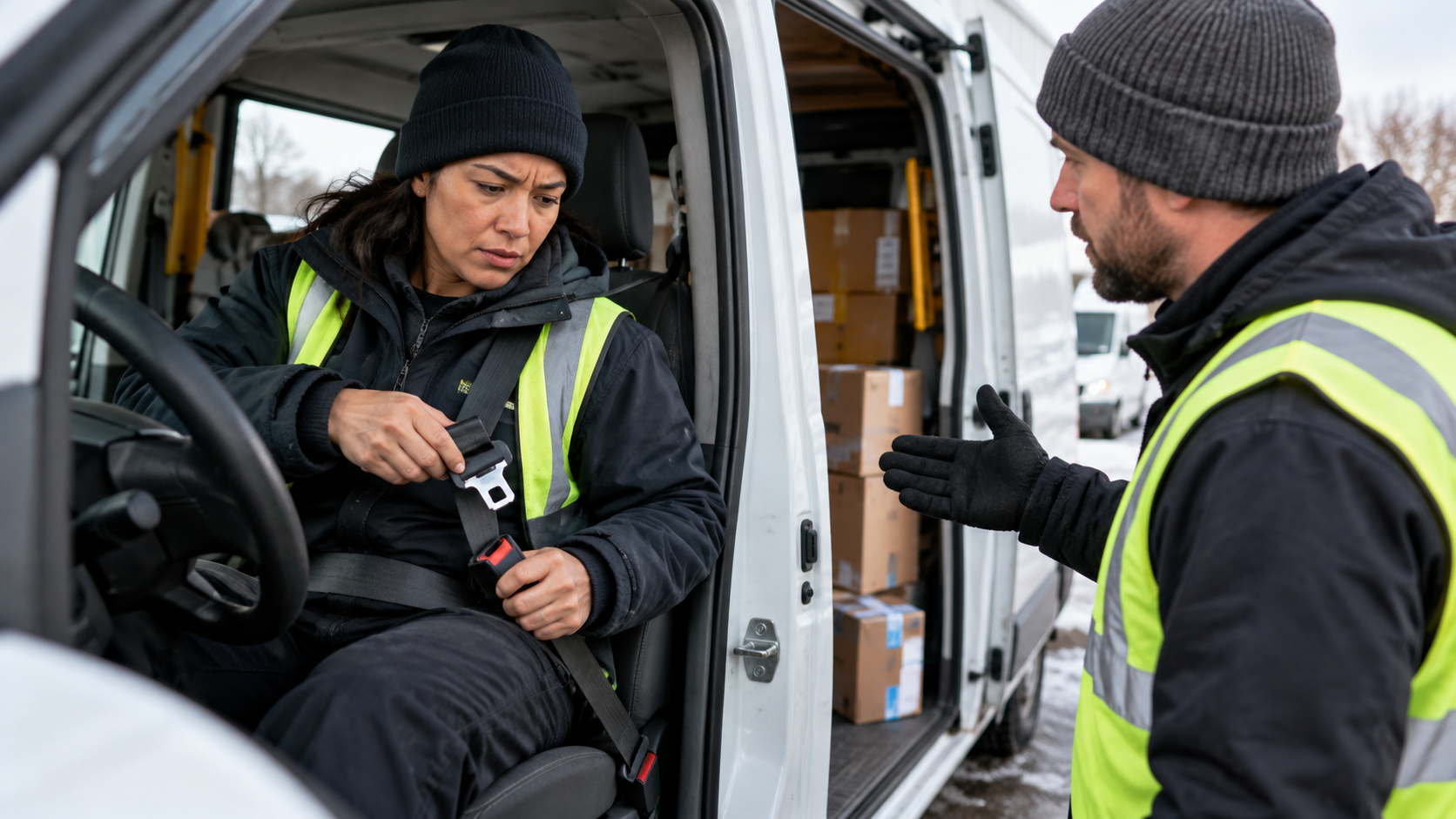
Minnesota delivery driver seat belt fault response before the next trip
A driver-facing process for a belt that will not latch, retract, fit, or stay fastened, including a safe in-route stop, clear fleet report, and accurate parcel handoff while the vehicle is held.
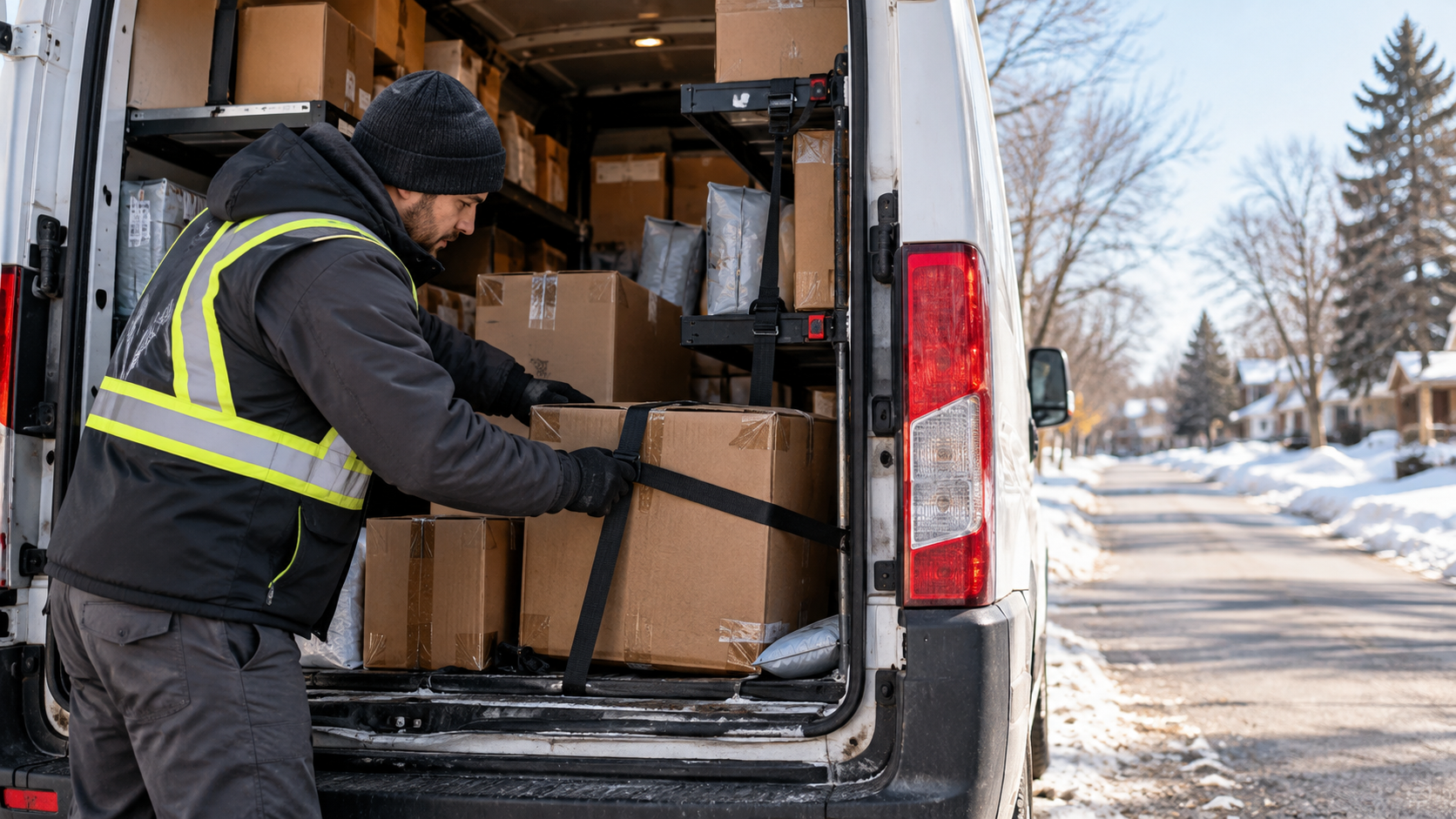
Minnesota delivery driver loose load hazard check before and during a route
A driver-facing way to recognize a load that may move dangerously, distinguish parcel movement from an ordinary route change, and stop for a safe, authorized correction before continuing.
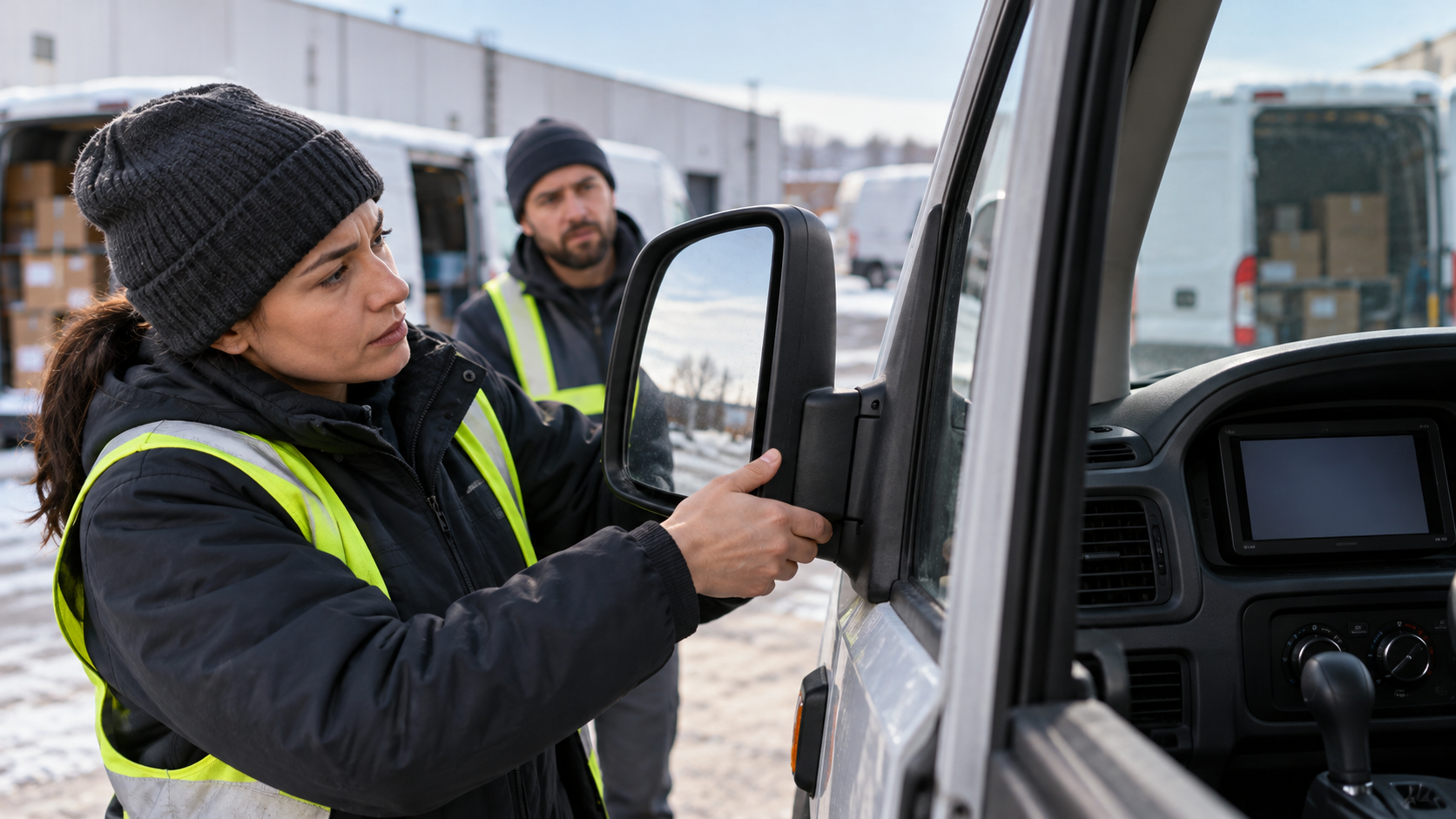
Minnesota delivery driver mirror camera fault report before departure
A driver-facing predeparture method for identifying a damaged mirror, blocked view, or failed camera display, reporting its effect on visibility, and obtaining an authorized vehicle disposition before a route begins.
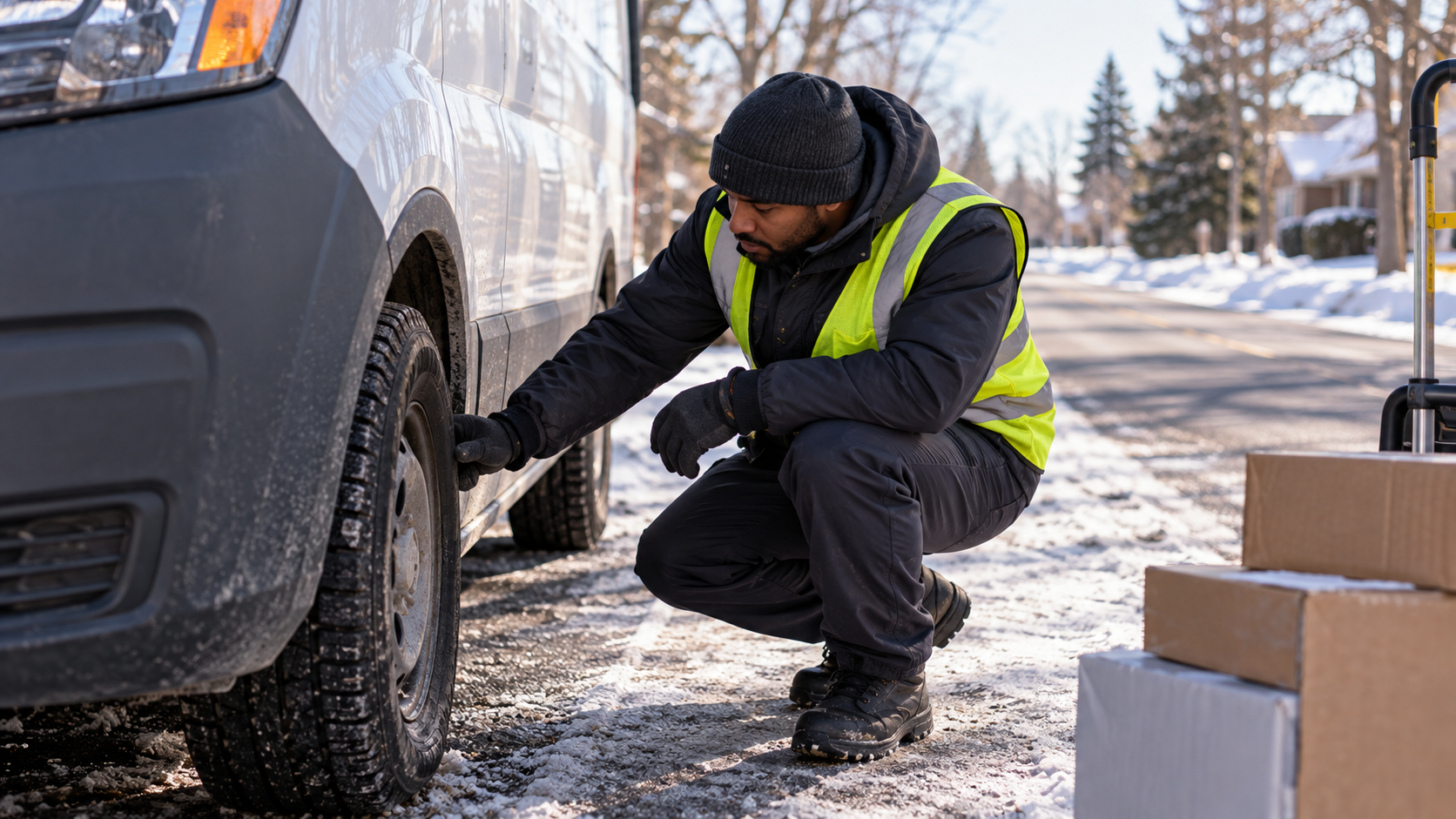
Minnesota delivery driver tire stop decision during a route
A driver-facing decision path for a blowout, visible tire damage, a tire-pressure warning, or changing vehicle behavior during a route, with careful handling of the parked van and parcels.
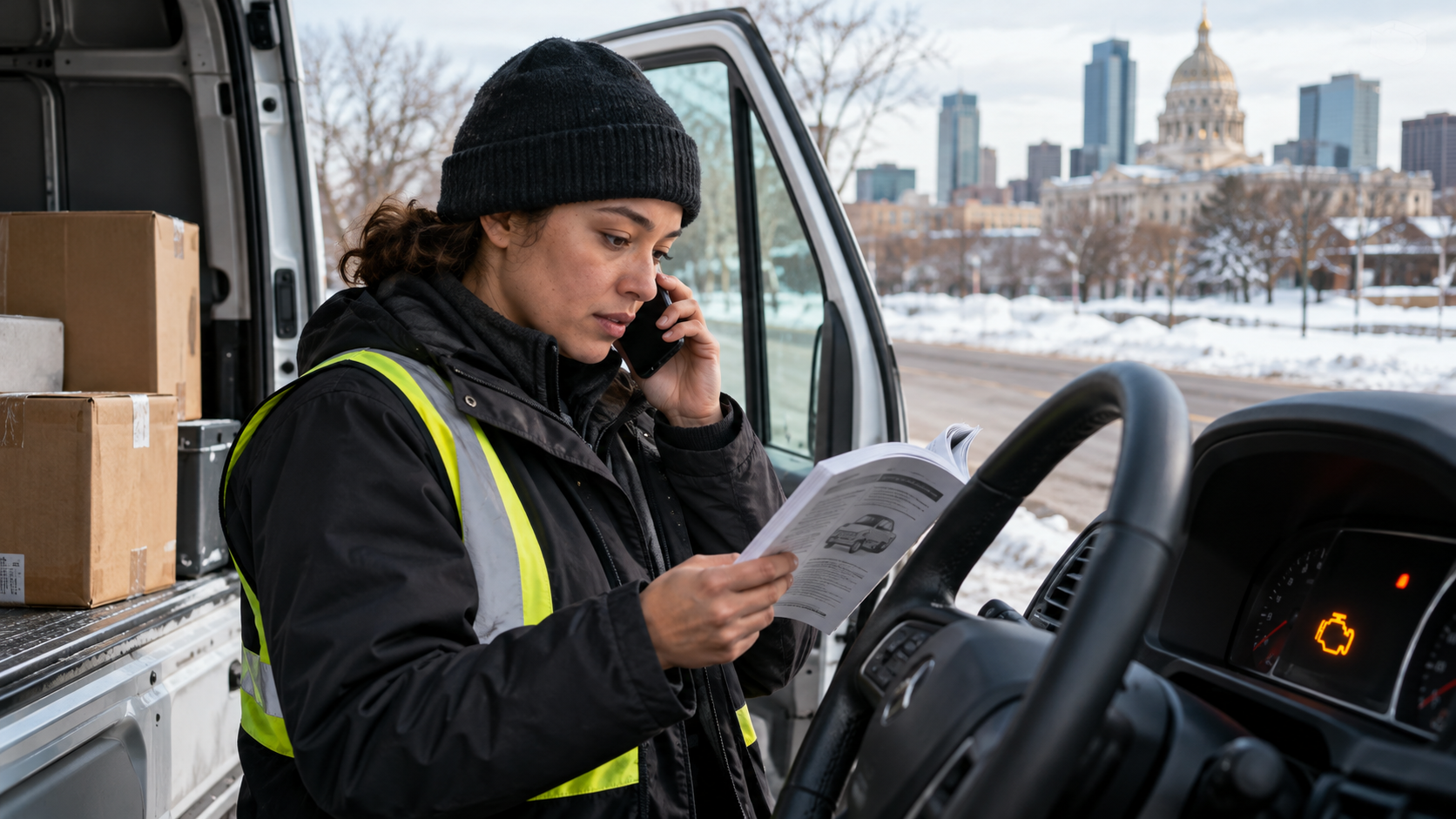
Minnesota delivery driver warning light response during a route
A driver-facing sequence for a new dashboard warning during a route: reach a safe location, identify the exact indicator and vehicle behavior, use the vehicle manual and fleet process, then keep the route and parcels accurately assigned.
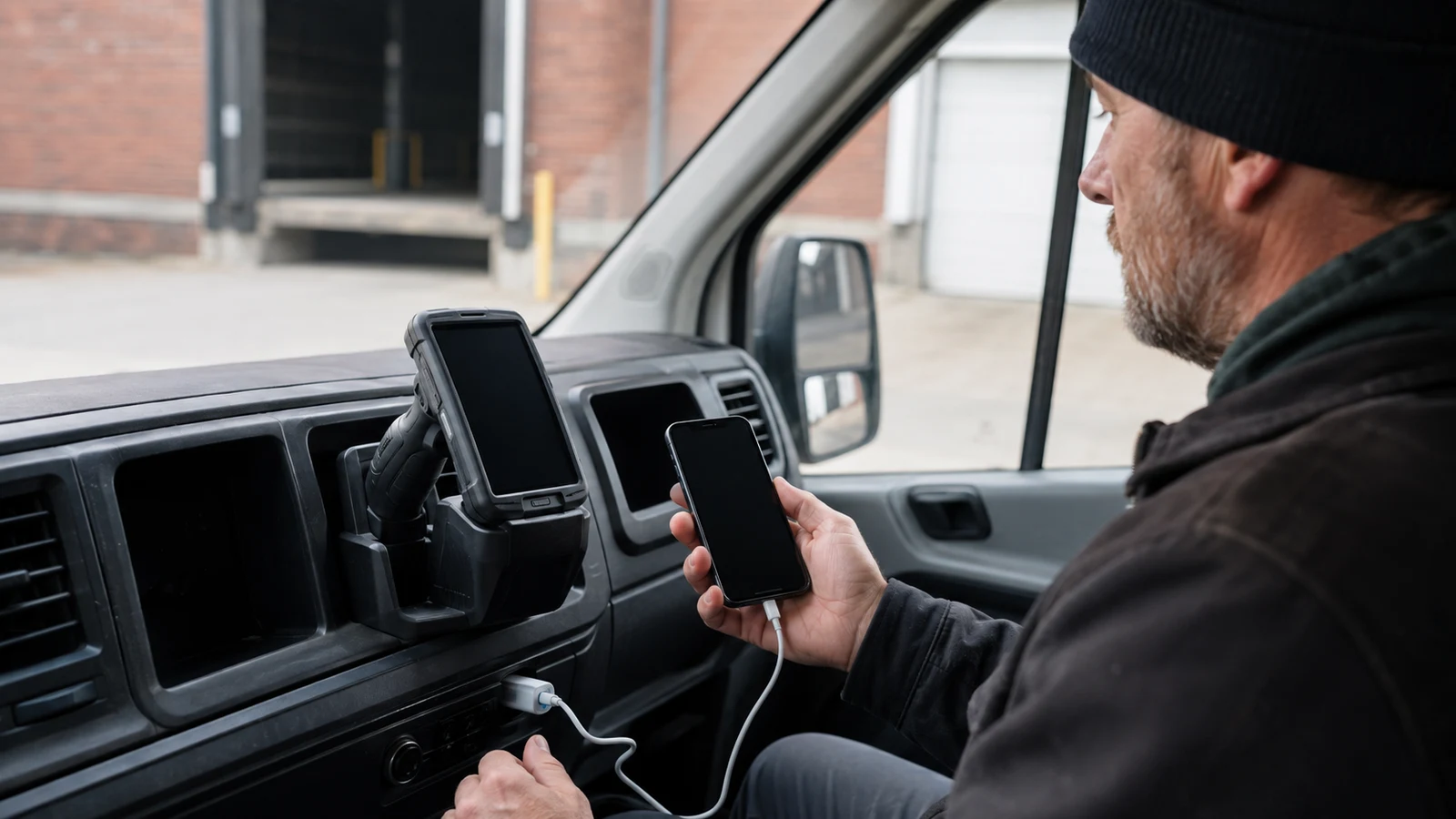
Phone Requirements For Delivery Jobs Saint Paul: What Must You Supply?
A delivery-job listing may mention a phone, charging, navigation, or package scanning without saying who supplies the equipment.